
Mining and Metals Translation Services for Mining Groups, Quarries and Metals Producers
Engiwords translates mining and metals documentation for London-listed mining groups, consultancies, equipment makers and metal producers: technical reports, feasibility studies, mine safety documents, fleet manuals, procedures and training for operations on every continent.
Quote within 30 minutesWhy Mining Runs on Translation
London is one of the world's mining capitals. Groups listed on the LSE and AIM, the consultancies that write their technical reports, the banks that finance them and the equipment makers that supply them all work with mines in Latin America, Africa, Central Asia and Australia. Their documents must be readable by investors in London and by crews on site.
Mining documentation covers an unusual range: geology and resource reports governed by reporting codes, metallurgical test work, mine plans, ground control and ventilation documents, fleet manuals, standard procedures, environmental and social studies, and community information. Each has its own vocabulary and readers.
Our mining translators have worked with geologists, mining engineers and metallurgists, and know the terms used on mine sites in each region. A second linguist revises every file.
Mining and Metals Areas We Cover
We translate documents from exploration to finished metal, and from head office to the pit.
Exploration and Resources
Drilling campaigns, mapping, resource modelling, licence applications and competent person reports.
Surface and Underground Mining
Mine plans, ground control, ventilation, blasting and production documents.
Mineral Processing
Crushing, grinding, flotation and leaching circuits, with process descriptions and operating procedures.
Steel, Smelting and Refining
Steelworks, smelters, refineries and metal processing plants, with process and equipment documents.
Mining Fleet
Haul trucks, loaders, drill rigs and underground equipment: operator handbooks, workshop manuals and parts books.
Tailings and Water
Tailings facilities, site water balances, dam safety reviews and environmental monitoring.
Mining Documents We Translate
These are the documents mining clients send us most, each linked to a page describing our method.
Technical Reports and Studies
Competent person reports, JORC, PERC and NI 43-101 reports, scoping, pre-feasibility and feasibility studies.
Mine Safety Documents
Safety management systems, ground control plans, emergency and rescue procedures and principal hazard plans.
Operator Handbooks
Operator manuals for mobile and fixed equipment, written in the language crews use every shift.
Workshop and Maintenance Manuals
Maintenance routines, fault-finding guides and service bulletins for fleet and plant.
Parts Catalogues
Parts books and ERP material descriptions for site stores and procurement teams.
Standard Operating Procedures
SOPs for mining, processing and maintenance tasks, each step with its hazards and controls.
Training Materials
Induction and task training for miners, operators and contractors, with competency assessments.
Tenders and Contracts
Tenders for mining contracts, EPCM services and equipment supply, with technical submissions.
Reporting Codes and Mining Vocabulary
Mining documents follow reporting codes with strict definitions. London-listed groups usually report under JORC, PERC or NI 43-101, using terms such as Measured, Indicated and Inferred Resources or Proved and Probable Reserves. Our translators render these categories with their exact meaning.
Grades, tonnages, recoveries, coordinates and sample identifiers are locked and reproduced exactly. Units follow the source unless conversion is requested.
- Grades, tonnages and recoveries unchanged
- Resource and reserve categories translated precisely
- Sample IDs and coordinates protected
- Mine site vocabulary of each country
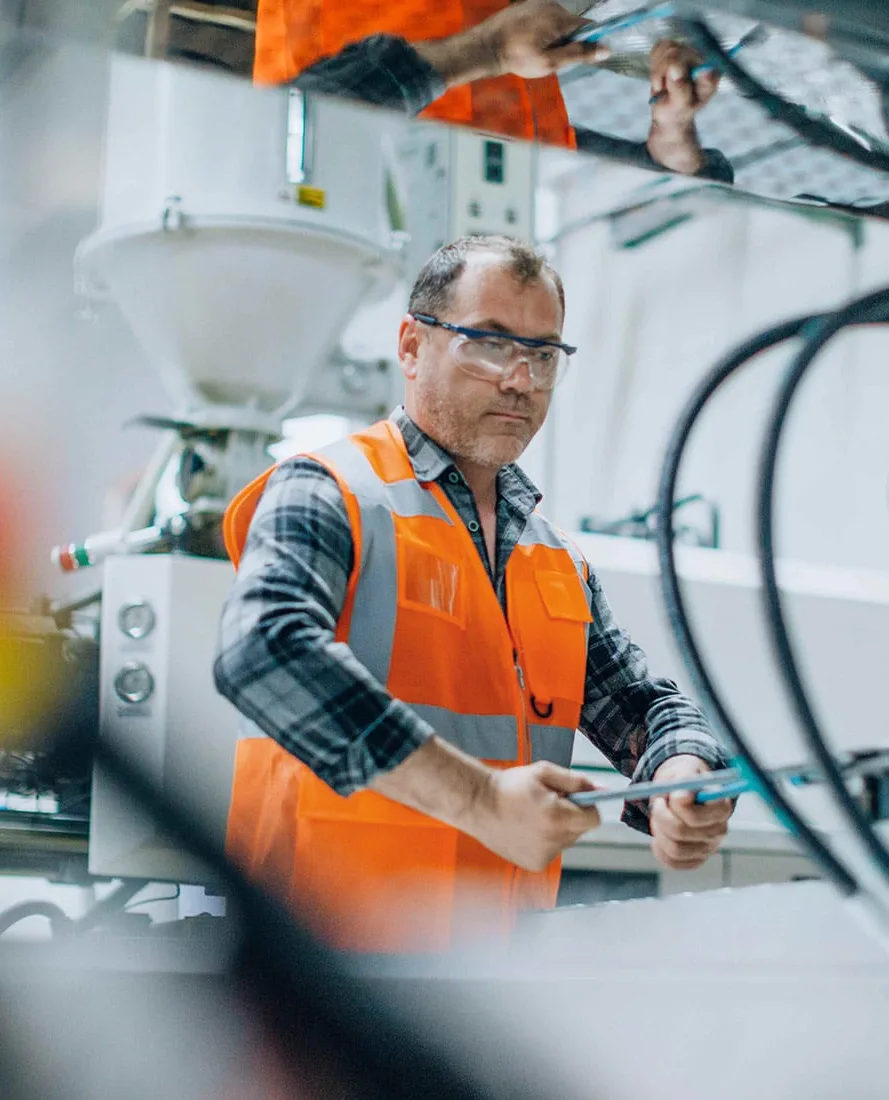
Translators Who Know What Happens on Site
An investor summary, a ground control plan and an operator handbook need three different styles. We assign each to translators who know the subject and the reader, from finance to the pit floor.
For operating mines, we work with site trainers and supervisors to build a glossary that uses the words crews actually say, so procedures and training are understood the first time.
Translation Through the Life of a Mine
Each stage of a mine produces different documents and translation needs.
Exploration and Studies
Exploration reports, resource estimates and scoping, pre-feasibility and feasibility studies.
Permits and Development
Environmental and social impact assessments, permit applications, consultation material and EPCM tender documents.
Construction and Commissioning
Vendor data, equipment specifications, installation manuals and commissioning procedures.
Operation and Closure
SOPs, maintenance documents, crew training, monitoring reports and closure plans.
Mining Translation for Every Mining Region
UK mining clients work on operations around the world. These are the languages we translate most.
Latin America
Latin American Spanish for mines and concentrators in Chile, Peru, Mexico, Argentina and Colombia.
Brazil
Portuguese for iron ore, gold, copper and nickel operations in Brazil, Mozambique and Angola.
Central Asia and the Caucasus
Russian and local languages for gold, copper and polymetallic operations in Kazakhstan, Kyrgyzstan and neighbouring countries.
Europe
German, Polish, Swedish and Finnish documentation for metals producers, steelworks and mining equipment suppliers across Europe.
West and Central Africa
French for gold and base metal projects in Burkina Faso, Côte d'Ivoire, Mali, Senegal and the DRC.
Asian Partners
Chinese, Japanese and Korean documents from investors, offtakers and equipment suppliers.
Mining and Metals Documentation for UK Operations
Mines and quarries in Great Britain operate under the Mines Regulations 2014 and the Quarries Regulations 1999, enforced by the HSE, while steelworks and metal processing plants fall under the general framework of health and safety law, COSHH and, where relevant, COMAH. Operators with multilingual workforces and contractors translate training material, task instructions, hazard information and emergency procedures so every worker understands them.
UK mining groups and equipment makers operate worldwide. Head offices in London need reports and studies in English for the board, investors and the LSE, while sites need procedures and training in Spanish, Portuguese, French or local languages.
Mining specialists translate in both directions. Technical reports keep their data and terminology exact, and site documents are written for the crews who will use them.
Our Mining Workflow
Mines produce documents in large volumes over many years. Our workflow is built for that.
Programme Setup
We review your document types, languages and sites, and plan recurring work such as monthly reports.
Site Glossary
A glossary is built with your engineers and site trainers, including local mine site terms.
Specialist Translation
Mining translators translate and revise each file, with data, part numbers and references checked.
Recurring Delivery
Updates and new documents use translation memory, keeping every site's vocabulary consistent.
What We Check in Mining Translations
Mining translations support investment decisions, safety and maintenance. These are our main checks.
Resource and Assay Data
Grades, tonnages, assays and resource categories checked against the source.
Safety Instructions
Safety warnings, mandatory steps and emergency actions kept in their original order.
Equipment Terms
Components named as in the manufacturer's parts book, so orders and repairs go smoothly.
FAQs About Mining Translation
Are your translators experienced in mining?
Mining projects go to translators with experience in geology, mining, metallurgy or mine maintenance, and a second specialist revises each file.
Can you translate JORC and NI 43-101 technical reports?
Yes. Competent person reports, technical reports, feasibility studies and their summaries are translated with data and resource categories unchanged.
Do you translate mine safety training into Spanish and French?
Yes. Inductions, task training, hazard communication and emergency procedures are translated for crews in Latin America and Africa.
Can you translate mining fleet manuals?
Yes. Operator handbooks, workshop manuals and parts books for haul trucks, loaders and drill rigs are translated for site teams.
Do you use Chilean, Peruvian or Mexican mining vocabulary?
We use Latin American Spanish and adapt mining terms to the country of each operation.
Can you translate feasibility studies for investors?
Yes. Feasibility studies and their summaries are translated for investors, lenders and partners.
Do you translate for mines in Africa?
Yes. French and Portuguese are the main languages for our clients' African projects.
Can you translate ESIAs and permitting documents?
Yes. ESIAs, water management plans and permit applications are translated for authorities and lenders.
Can you translate spare parts catalogues and ERP descriptions?
Yes. Parts catalogues and material master descriptions are translated within the field lengths of your ERP.
Will you sign an NDA for exploration results?
Yes. Exploration results and resource data are price-sensitive. We sign your NDA and restrict access to the assigned team.
How is mining translation priced?
Per word, with reduced rates for repetitions found by translation memory.
Do you translate for smelters and processing plants?
Yes. Process descriptions, procedures, equipment manuals and safety documents for plants and smelters are translated by process specialists.
Can you translate community and social documents?
Yes. Community information, consultation plans and social impact studies are translated in plain language for local stakeholders.
Mining Document Types
Each page explains how we translate one of the main documents of mining projects.
Related Industries
Mining projects involve several engineering fields and related industries.
Get a Quote for Your Mining Documents
Upload your reports, procedures or fleet documentation with the target languages. You will receive a price and schedule within 30 minutes.
Request a Quote