
German Engineering Translation Services
Engiwords provides German engineering translation for Canadian companies selling equipment in Germany, Austria and Switzerland, for German suppliers working with Canadian clients and for German-owned plants in Canada. Manuals, specifications, drawings and procedures are entrusted to native German-speaking translators specialized in your technical field.
Quote within 30 minutesGerman Translation for Engineering and Industrial Teams
A substantial share of the world's machinery, automotive and process technology is designed in German. Canadian companies require German translations to market equipment in the DACH region, and English or French translations when they procure machines, components and systems from German suppliers or report to a German parent company.
Technical German is precise and dense. Compound nouns convey complete technical concepts, standards are referenced throughout, and readers expect the vocabulary of DIN and VDI publications. A comprehensible translation that uses an inappropriate term is immediately apparent to a German engineer, which is why our translators work with this terminology on a daily basis.
Translation is provided in both directions. Into German, the scope includes operating and maintenance manuals, safety documentation, specifications, HMI texts and training. From German, which represents a significant share of our work, it includes supplier manuals, Lastenhefte and Pflichtenhefte, test reports, drawings, certificates and correspondence that your engineering teams must review and approve.
Every project is assigned to a native German-speaking translator working in your discipline and revised by a second linguist, with values, tolerances, part numbers and references verified against the source. See the industries we serve and the documents we translate.
German for Germany, Austria and Switzerland
Standard German is understood throughout the German-speaking countries, and the few national differences are applied where your readers expect them.
Where Our Clients Use German Translations
German projects flow in both directions: documentation destined for German-speaking markets and documentation originating from them.
Instructions, declarations of conformity, data sheets and labels for machinery and equipment placed on the German market.
Supplier manuals, drawings, test reports and certificates translated into English or French for review, approval and maintenance.
Lastenhefte, Pflichtenhefte and technical specifications translated in either direction for joint projects and procurement.
Procedures, reports and internal standards for German groups operating production facilities in Canada.
German Translation by Industry
German is requested across most technical fields, with the highest volumes in the following industries.
Automotive
Supplier documentation, specifications, PPAP packages and test reports for Canadian OEMs and Tier 1 suppliers working with German partners.
Mechanical Engineering
Machinery manuals, drawings, calculations and specifications for mechanical engineering projects.
Automation and Robotics
Robot manuals, PLC documentation, HMI texts and safety files for automation systems.
Chemical Engineering
Process descriptions, operating procedures and safety documentation for chemical plants and process equipment.
Energy
Documentation for wind, hydrogen, transmission and power generation projects involving German technology suppliers.
Electrical Engineering
Wiring diagrams, data sheets and electrical specifications following IEC and VDE conventions.
Engineering Documents We Translate Into and From German
Our German work spans the full life cycle of a machine or project: requirements documents, specifications, drawings, calculations, manuals, test reports and certificates. A large proportion is translated from German into English for Canadian teams receiving documentation from German suppliers.
Drawings, data sheets and manuals are translated in their source files and returned in the same format. As German text may be longer than English, our DTP specialists verify tables, callouts and HMI fields. See engineering drawings and technical specifications.
- Operation, maintenance and installation manuals
- Lastenhefte, Pflichtenhefte and specifications
- Engineering drawings, calculation notes and data sheets
- Test reports, certificates and inspection records
- Safety documentation, HMI texts and training material

What Changes When a Document Goes Into German
On every engineering project, our German translators and DTP specialists verify the following points.
Compound Nouns
German forms compound terms from several words; the compounds recorded in your termbase are applied identically across all documents.
Text Length
German frequently runs 10 to 30 percent longer than English, and layouts, tables and HMI fields are adapted accordingly.
Standards Vocabulary
Terminology reflects DIN, VDI, VDE and EN usage, so that German engineers recognize the vocabulary of their practice.
Numbers and Units
German uses the decimal comma and a period or space as thousands separator, while values and units remain as in the source.
Formal Instructions
Instructions consistently use the formal register and the imperative forms expected in German manuals.
Source Questions
Ambiguous source passages are referred to your engineers prior to translation, so that every instruction remains exact.
Requirements for German Documentation
Machinery and many other products placed on the German market must be accompanied by German instructions under EU legislation such as the Machinery Regulation and under the German Product Safety Act. German customers and inspection bodies further expect technical documentation to use the vocabulary of the standards they apply, including the DIN EN versions of ISO and IEC standards.
Although we do not provide legal advice on translation obligations, our team is familiar with the documents customarily translated for German-speaking markets and can review your document list with you. Manuals are prepared according to the principles of IEC/IEEE 82079-1 and ISO 20607, and our translators are well acquainted with the VDI 4500 guidelines on technical documentation.
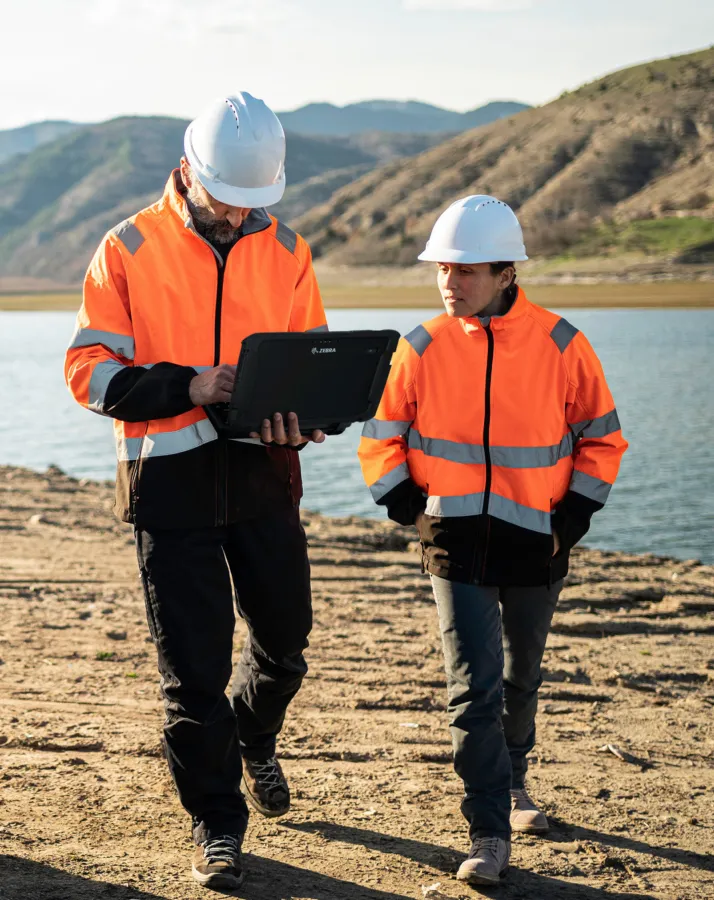
Native German Translators With an Engineering Background
Your German documents are translated by native speakers from Germany, Austria or Switzerland. Many hold an engineering or technical background, and each works exclusively in subjects within their expertise.
A second German linguist from the same discipline revises each translation and verifies values, units, part numbers, tolerances and references against the source. Engiwords is a member of the Canadian Language Industry Association. Further details are available on our engineering translators and our translation process.
- Native German-speaking translators assigned by technical discipline
- Independent revision by a second German linguist
- Termbase and translation memory remain your property
- Quotation within 30 minutes, entirely online
How a German Translation Project Runs
Each German assignment follows a defined process, whether it concerns a single data sheet or the complete documentation of a new production line.
Send Your Files
Submit your files through our quote page or by email, specifying the German variant, the deadline and any reference material.
Receive a Quote
Your project manager reviews the files and issues a price, a schedule and a delivery format within 30 minutes.
Translation and Revision
A native German-speaking specialist in your field carries out the translation, which a second linguist then revises against your termbase.
Delivery
Deliverables are returned in their source format and layout, and your German translation memory is updated for subsequent projects.
FAQs About German Engineering Translation
Do you translate German documents into English?
Yes. Translation from German into English or French accounts for a large part of our German work, covering supplier manuals, specifications, drawings, test reports, certificates and correspondence for your engineering teams.
Can you translate Lastenhefte and Pflichtenhefte?
Yes. Requirements and functional specifications are translated in either direction, retaining the numbering, structure and requirement wording of the original.
Do you use Swiss German conventions for Switzerland?
Yes. Documents intended for Switzerland follow Swiss Standard German spelling, replacing ß with ss, and use local terms where they differ.
How do you keep German compound terms consistent?
A German termbase is established for your products, submitted for your team's approval if desired, and applied together with your translation memory on every project. See terminology management.
Can you translate German drawings and data sheets?
Yes. Title blocks, notes, callouts and tables in drawings and data sheets are translated from PDF files or exported CAD text.
Do you translate German HMI and PLC texts?
Yes. HMI strings, alarm messages and software resource files are translated in either direction within the length limits of each field.
How do I get a quote for German translation?
Please submit your documents through our quote page, indicating the German variant, the intended audience and the deadline. Your project manager will respond within 30 minutes with a price, a schedule and any questions concerning the files.
Other Languages
Engineering documentation is translated in more than 60 languages; the pages below present those most frequently requested by our clients.
German Documents and Services
The pages below describe the documents translated into German and the services associated with each project.
Send Your Documents for German Translation
Please upload your files and specify the German variant required. A price, a schedule and a delivery format will be provided within 30 minutes.
Request a Quote